 Steven Millward · · 3 min read
Alibaba to use blockchain to fight China’s fake food
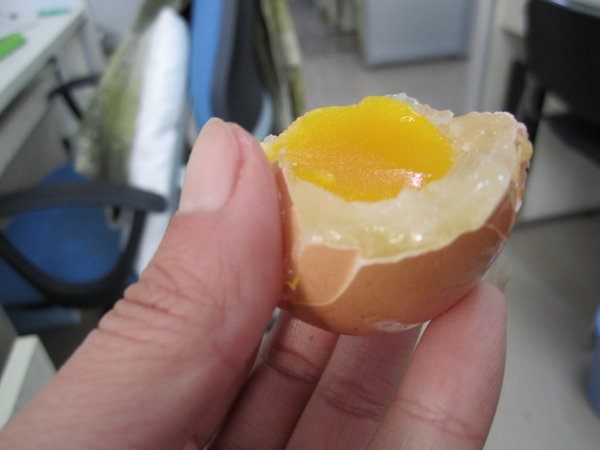
A fake egg found on sale in China in 2012. Photo credit: China Daily.
China has a fake food problem. Counterfeit soy sauce, rice, and eggs are among the potentially deadly items found for sale. Now Alibaba, the nation’s top online shopping company, wants to fight back against fake foods by using blockchain, the tech behind Bitcoin.
Jack Ma’s US$270 billion ecommerce firm today announced it’s going to begin experimenting with blockchain, a digital ledger system that’s a sort of giant global spreadsheet, to track genuine food products through the supply chain. The idea is that the vendors on Alibaba’s Taobao and Tmall, marketplaces with a collective 443 million active shoppers, will be able to verify the authenticity of the item using this system, thereby squeezing out the dangerous fakes.
The blockchain system will be piloted in Australia and New Zealand, two popular sources of food products for Alibaba’s Chinese customers.
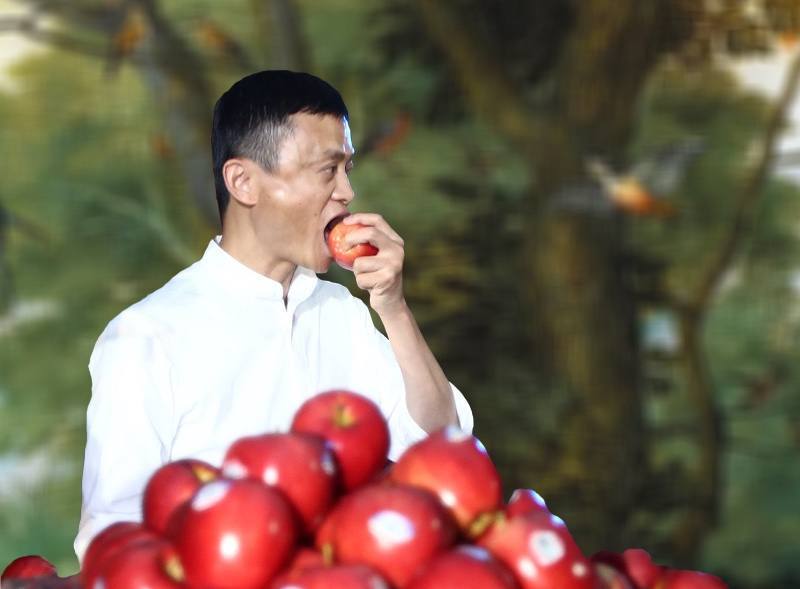
Alibaba founder and chairman Jack Ma enjoys a non-fake and apparently tasty apple. Photo credit: Alibaba.
Alibaba did not detail how its shoppers will be able to verify the authenticity of the foodstuffs.
Beefing with counterfeiters
“Given Australia and New Zealand’s exemplary regulatory environments, along with being home to some of the world’s most successful food and beverage exporters, it was a natural decision to pilot the program here,” said Maggie Zhou, managing director of Alibaba’s Australia and New Zealand wing. “We see the Australian and New Zealand markets setting the tone for the rest of the world when it comes to integrity, safety, and quality of food supply chains.”
No start date was given for the program, which sees Alibaba joining forces with PricewaterhouseCoopers, Blackmores, and Australia Post.

An Australian farm. Photo credit: noxnorthy / 123RF.
Alibaba has been repeatedly criticized over the years for struggling to eliminate fake items – from bootleg DVDs to knock-off designer handbags – sold by its third-party vendors. Ma, China’s second richest tech boss, this month called for China to toughen the laws and penalties against counterfeiting. “Because counterfeiting is such a low-risk crime, it’s hard to imagine how we can effectively rid society of counterfeit goods,” he wrote on social media. “We need to fight counterfeits the same way we fight drunk driving. For example, if the penalty for even one fake product manufactured or sold was a seven-day prison sentence, the world would look very different, both in terms of intellectual property enforcement and food and drug safety, as well as our ability to foster innovation.”
The blockchain system is increasingly being used in a number of other fraud detection areas by an array of tech companies and financial institutions.





Stay updated on the go with our mobile app.
Get latest insights with smoother, more personalized experience through TIA mobile app.










📅 Upcoming Events
22 October 2026
Payoneer x CSPN Summit 2026