 Malavika Velayanikal · · 3 min read
Paytm inside Uber makes it accessible to millions more in India
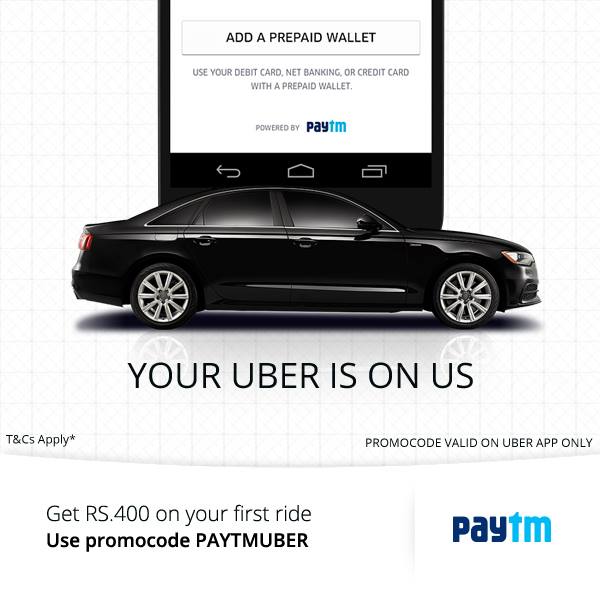
Global taxi app Uber has tied up with local mobile payments provider Paytm to sort out its problem with the Reserve Bank of India (RBI).
Uber has been sweating in India ever since local taxi services complained to the RBI that Uber was violating Indian foreign exchange regulations by routing credit card payments from customers to Netherlands-based Uber BV. Most of it was converted back to Indian currency when payments were routed to cab drivers’ accounts in India, after adjusting for commissions, promotions, etc. But the RBI agreed with local competitors like Meru that such transactions violated rules meant to prevent fraud or flight of capital from the country, and that foreign players could not be allowed to bypass a two-stage credit card authentication process required for digital payments in India.
Uber was initially given until October 31 to fall in line with these requirements, but the deadline was extended to the end of November. Now Uber has added Paytm’s digital wallet to its payment options. India is the first country where it has made such an arrangement.
Those who have already registered with Paytm can just link their accounts with Uber. Others will need to sign up with Paytm which involves regulatory steps like verification of a phone number and email address. Once that is done, the wallet can be topped up in multiple ways, including cash deposits at select outlets in India.
Paytm had anticipated digital payment issues, by moving early to get a PPI (prepaid payment instruments) license from the RBI. Consumers keep money in escrow accounts maintained by Paytm with banks. Every month, there is an audit of the balance in these accounts. Stringent procedures have prevented many, including Indian ecommerce leader Flipkart, from getting a PPI license. “It us took one and a half years to get the PPI license from RBI,” Paytm’s founder Vijay Shekhar Sharma told Tech in Asia in a recent interview.
The pain was well worth it, because Paytm is now looking at long-term gain from resolving payment issues in India’s booming internet services and mobile commerce. Recently, Paytm announced that 15,000 merchants accept payments through its wallet.
“Pay with Paytm” is the catchline for a payment platform it plans to roll out for a variety of merchants and service providers. The deal with Uber is a huge validation of this.
“We are constantly talking to other companies like Uber. The more places you can use this wallet, the better it is for our users and therefore, for Paytm. Eventually, we want to be more ubiquitous than cash,” Harinder Takhar, CEO of Paytm Labs, tells Tech in Asia.
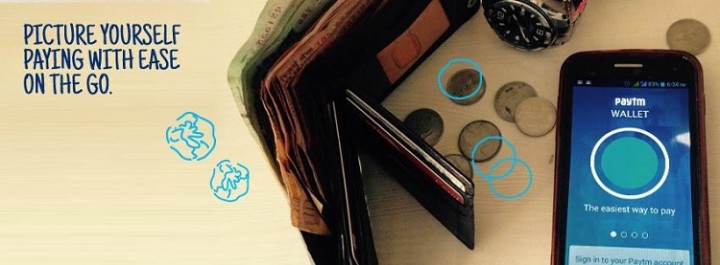
For Uber too, this is a giant leap in its fastest growing market outside the US. So far in India, Uber was limited to credit card users who are a small set of the population; now those using debit cards and net-banking can also get on Uber. In fact, Paytm has even arranged with a few retail outlets to accept cash deposits from users to load into the Paytm wallet.
“People who don’t have net-banking or even a bank account can use this. Paytm wallet has 22 million verified users in India – far more than the number of credit card users,” says Takhar.
That number is bound to jump as Uber makes Paytm its payment gateway in India from today.





Stay updated on the go with our mobile app.
Get latest insights with smoother, more personalized experience through TIA mobile app.









📅 Upcoming Events
22 October 2026
Payoneer x CSPN Summit 2026