Grace Priscilla Teo · · 5 min read
Drip funding, bad faith founders and the Philippine VC reality
This article summarizes an episode of BRAVE’s video series featuring Jecky Pelaez, a legal and investment partner at Kickstart Ventures.
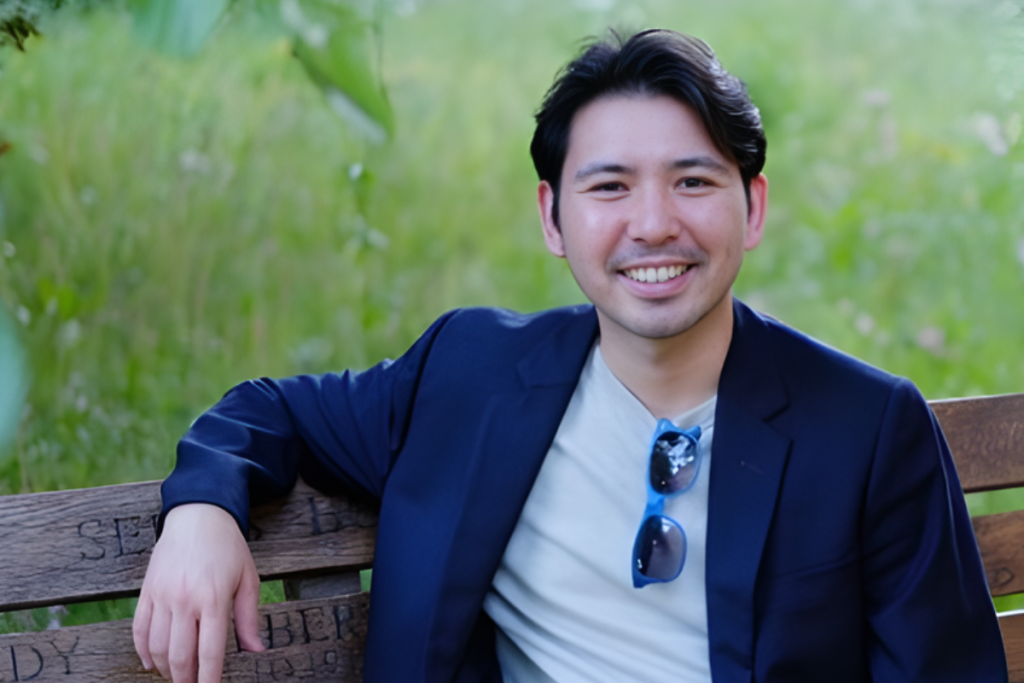
Jecky Pelaez, legal and investment partner at Kickstart Ventures/ Photo credit: Jecky Pelaez
Easy money creates weak companies. Jecky Pelaez, a legal and investment partner at Kickstart Ventures, says years of high valuations have masked poor business habits. He warns that ignoring corporate rules and legal structure today will likely lead to serious lawsuits tomorrow.
Pelaez argues that survival now depends entirely on rigid oversight and daily discipline. He outlines how venture capital firms are changing their review methods to catch bad actors before writing checks.
Furthermore, he explores how founders must balance these heavy investor demands with the punishing realities of local tax laws and government delays in the Philippine market.
A bad economy exposes weak rules
When money was easy to get, high prices hid bad habits. Today’s lack of cash means companies must follow strict rules to secure new funding, forcing venture firms to overhaul how they check companies before investing.
Recent business scandals also forced venture firms to change how they vet companies. “Because of this, there’s heightened scrutiny,” Pelaez argues. “It kind of ups the game of everyone involved. VCs are starting to look more into it and paying more attention to how important governance is.”
Handshake deals fail during internal conflicts
This increased attention shows that startups frequently ignore strict rules, and treating informal agreements casually can lead to legal fights. Pelaez notes that company governance must strictly follow shareholder agreements.
Ignoring bad behavior hurts the industry
Enforcing these agreements creates uncomfortable conversations about responsibility. Spotting bad intentions requires looking past obvious fraud to find quiet power grabs that trap capital and destroy returns.
Board seats can be risky when investors miss early warning signs. Pelaez warns that directors who fail to disclose knowledge could face major legal liability for themselves, their venture capital firm, and the company.
Investors must judge character to find bad actors
Preventing these risks requires checking companies early, but standard financial checks offer little value when evaluating a new company running on guesses.
“Sometimes if you’re super early on, it’s a deck and a dream,” Pelaez says. “Some people are really good at sales. [Bad actors] are around. It’s up to us to have that skill and gut sense of reading individuals.”
Emergency funding demands strict rules
Relying on gut sense is not enough when markets drop. Spending money in slow markets needs caution. Short-term investors want strong protections, but making deals too restrictive can stop daily work. They must balance rules and survival using the following methods:
- Counting votes matters more than company worth when owners block emergency money.
- Grouping insiders by how much money they have finds the active supporters.
- Giving out money based on goals limits risk.
- Making investors pay to keep their shares rewards loyal backers and shrinks the ownership of those who refuse.
- Changing who gets paid first provides a safety net for new money.
- Giving shares based on good work keeps leaders focused.
Philippine government rules waste leader time
Local tax laws punish early losses





Stay updated on the go with our mobile app.
Get latest insights with smoother, more personalized experience through TIA mobile app.