Grace Priscilla Teo · · 5 min read
The self-driving truck problem is no longer about software
This article summarizes an episode of TechCrunch’s video series featuring Chris Urmson, co-founder and CEO of Aurora.
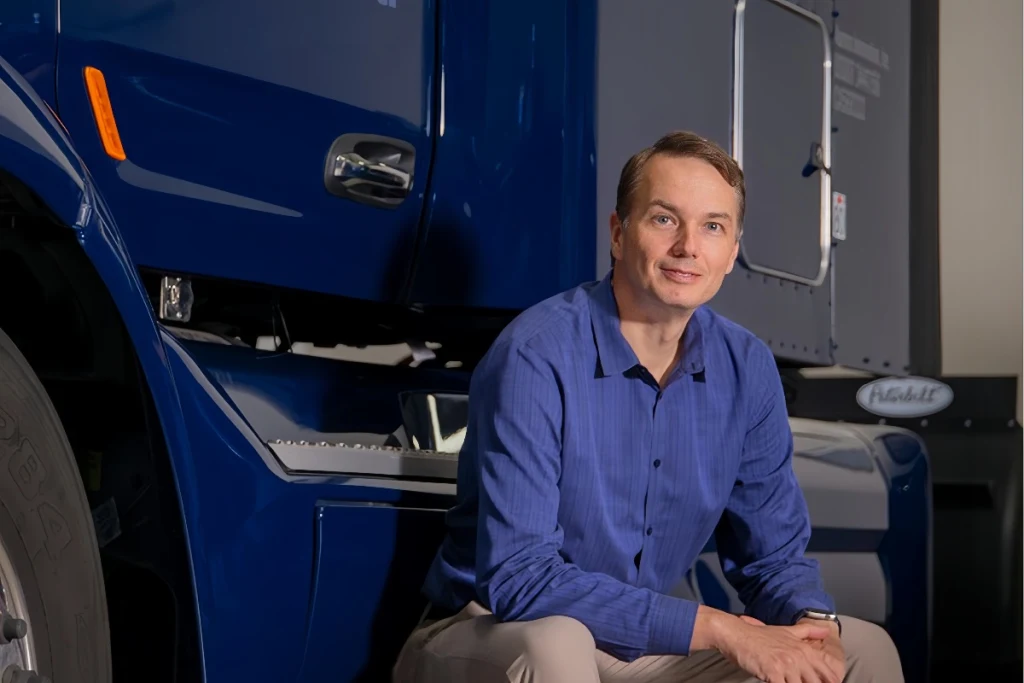
Chris Urmson, co-founder and CEO of Aurora/ Photo credit: Aurora
With the core software problems largely solved, leaders now face the reality of manufacturing physical parts and navigating archaic regulations.
Building a viable self-driving company has pivoted from writing code to mastering supply chains and compliance.
The problem changes from software to building trucks
For years, the industry burned billions building driving software. But assuming successful tests easily translate into mass-producing fleets is a mistake.
Urmson argues, “This is a really hard problem, whether you’re driving in a city or hauling a trailer down the road at 70 mph… You just can’t cut corners when it comes to safety with these kinds of applications.”
Even with perfect software, a company will fail if it cannot physically build the trucks.
Urmson says, “We are very much supply-constrained. The first generation of hardware that we launched with, we knew we could only make 20 or 25 of those trucks… We couldn’t grow [our number of] customers beyond that.”
While securing these physical parts is difficult, self-driving companies are at least spared from the fierce competition for standard AI hardware.
Data center chip shortages do not affect building trucks
While the broader tech industry panics over AI compute shortages for huge data centers, self-driving hardware operates in a different reality:
- Truck environments destroy normal computers.
- Automotive chips require entirely different testing protocols.
- Physical hardware availability limits fleet growth, not cloud compute.
Urmson says, “Yeah, we’re not directly fighting with them (AI companies) for access to chips… The kinds of chips we use are intended for automotive and physical AI applications.”
Ensuring a reliable supply chain is more critical than acquiring the fastest cloud processors. Once this specialized hardware is secured, companies must deploy those expensive assets where they generate the highest return.
Moving goods makes more money than moving people
Trucking money pays for entering new markets
Old traffic laws create unexpected problems
Software you can check beats software that hides how it works





Stay updated on the go with our mobile app.
Get latest insights with smoother, more personalized experience through TIA mobile app.