Grace Priscilla Teo · · 5 min read
The strategy that helped Apple stay relevant for decades
This article summarizes an episode of TBPN’s video series featuring Eddy Cue, senior vice president of services at Apple.
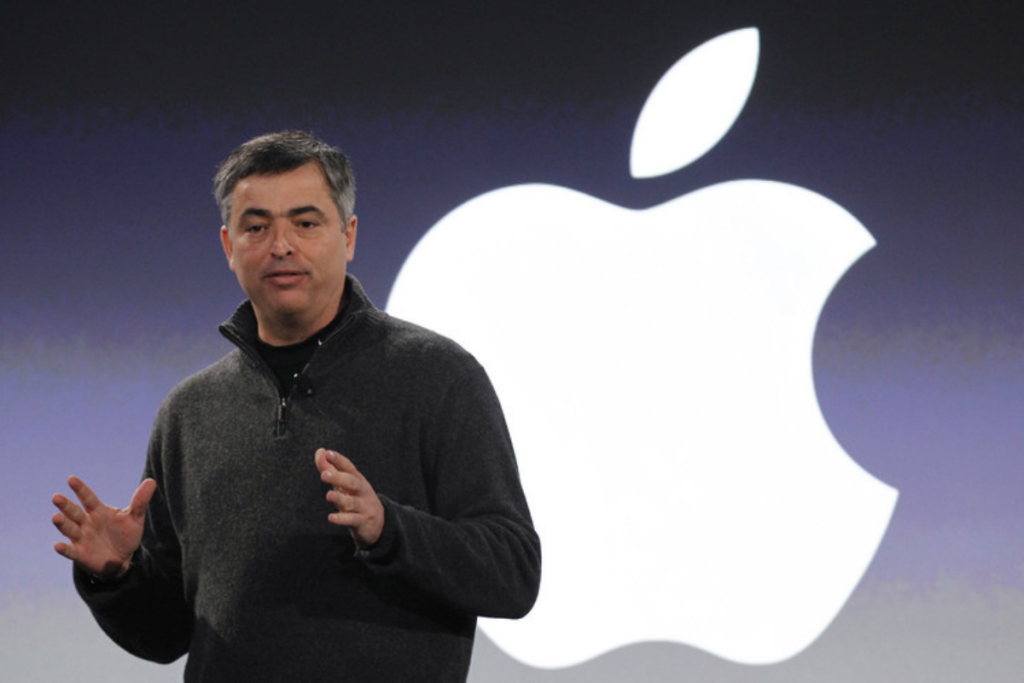
Eddy Cue, senior vice president of services at Apple/ Photo credit: Apple
Maintaining a leading position in the technology sector requires a strict focus on the user rather than the financial sheet. Eddy Cue, senior vice president of services at Apple, explains that building reliable systems naturally produces long-term financial success.
He adds that companies lose their market advantage when they allow short-term profit motives to dictate hardware design.
To prevent this decline, Cue insists that leaders must protect the product development process from financial interference. By committing to careful engineering standards, the team ensures the final device remains useful and relevant for years.
Surviving the early days
Modern narratives often misrepresent the difficulty of building a global technology company and ignore the effort required to remain competitive. Apple faced significant threats during its early growth phase.
Cue says creating new things back then took hard work, and that nobody worked harder than Steve Jobs. When people compare Tim Cook and Steve Jobs, Cue says the comparison is wrong.
“The question is what the same things are between Tim and Steve,” he says.
Focusing on what mattered
To prevent structural failure, the company drastically narrowed its operational scope. Cue explains that leaders dedicated their time entirely to product development and their families, eliminating all other corporate distractions.
This dedication made employees feel more hopeful. Cue remembers releasing the Apple store and the Bondi Blue iMac at the same time. The team celebrated after selling a million dollars worth of iMacs, knowing they had found a way to succeed.
A new way to develop products
Sustaining this path meant changing how the company built its physical devices. Focusing on immediate profit margins while engineering hardware often degrades the final product.
To prevent this, leaders separated the product teams from financial pressure. The team made rules that put customers before profits.
“Financial results were a secondary function that you obviously needed to keep going,” Cue explains. He notes that profits paid for new work, but the main goal was always the product.
Earning loyalty with details
Focusing on how people use the products made customers loyal. Cue says careful engineering made people feel connected to the product, letting them do things they could not do before.
The problem with selling digital goods
A new way to broadcast sports





Stay updated on the go with our mobile app.
Get latest insights with smoother, more personalized experience through TIA mobile app.