- Premium Content It takes our newsroom weeks - if not months - to investigate and produce stories for our premium content. You can’t find them anywhere else.
 Miguel Cordon · · 4 min read
Smart Money vs. GCash: a new front in the Philippines’ telco war?
Coke and Pepsi. Grab and Gojek.
It’s not an exaggeration to say that Globe and PLDT, the two dominant telcos in the Philippines, have been locked in a years-long rivalry that’s as intense as the ones above.
The latest development in the saga is PLDT’s relaunch of Smart Money, which appeared in app stores last December. It touts itself as a “financial super app” and “more than just an e-wallet.”
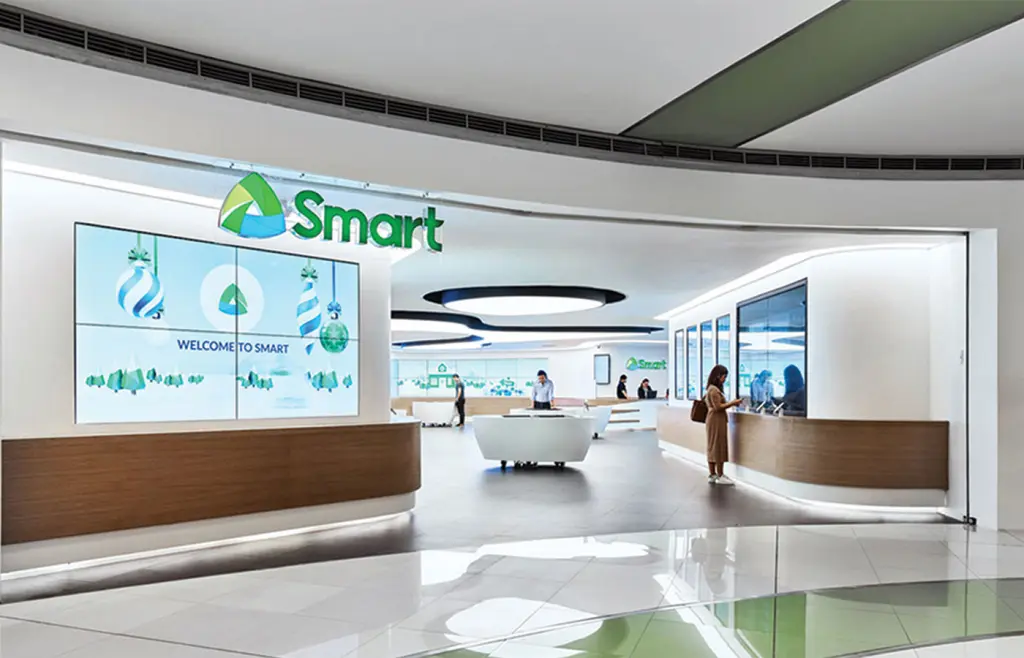
Photo credit: PLTD
This positions Smart Money as a competitor to GCash, the largest fintech platform in the Philippines – which is owned by none other than Globe.
But with PLDT already owning a stake in digital payments company Maya, why is it taking a second bite of the cherry with Smart Money? And with GCash holding 89% of the country’s e-wallet market share as of 2023 (with over 94 million users), what can Smart Money do to make inroads?
First e-wallet
Many telcos around the world face stagnant growth in their main lines of business, with the industry as a whole dealing with flat – if not declining – revenue.
One solution is to expand into financial services, which offers more room for growth. Telcos often partner with banks or fintech firms for these ventures to address gaps in their expertise.
For example, Singtel has a joint venture with Grab and other players to operate digital banks in Southeast Asia, including GXS Bank in Singapore and GXBank in Malaysia.
See also: Why Singapore digital banks can’t stop at banking
That isn’t the case for PLDT, which has built up its own financial expertise over the years. Smart Money isn’t actually a new brand – it was introduced in 2001, making it the Philippines’ first e-wallet. Its initial iteration gained traction with its SMS-based services, allowing users to send and receive money via text messages.
Eventually, the service was rebranded as PayMaya and is now known as Maya.
The app continued to grow its portfolio of services and became one of the six licensed digital banks in the Philippines. It also focused more on its enterprise business, which it rebranded to Maya Business in August 2022.
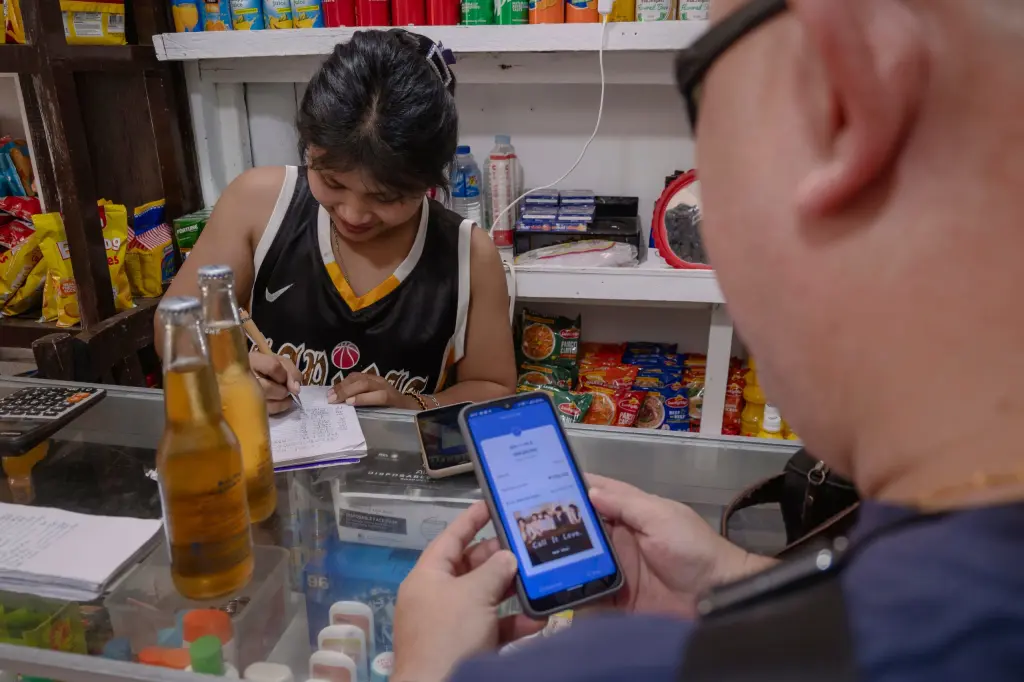
The MVP ecosystem
Stay ahead in Asia’s tech landscape
This is premium content. Subscribe to read the full story.
If successful, Philippine conglomerate MVP Group may have another tech giant in its hands.
We know this is not ideal. ⌛ Sign up in 20 seconds. Cancel anytime.
Our subscriber community includes professionals from these companies:





Stay updated on the go with our mobile app.
Get latest insights with smoother, more personalized experience through TIA mobile app.