 Stefanie Yeo · · 7 min read
From IP to IPO: How Mirxes’ IP strategy set it up for success

Summary:
- Singapore-based biotech firm Mirxes employs a highly adaptable approach to protecting its intellectual property, customizing its strategy based on the nature of the product and market conditions.
- Beyond direct protection, Mirxes leverages its IP as an intangible asset as well.
- Unlock tangible value from your intangible assets and IP with the help of IPOS International.
Mirxes is a superstar in the Southeast Asian biotech sector.
An established player in the world of diagnostic solutions, it’s most known for its development of blood tests to detect cancer early. The firm has raised over US$180 million in venture funding and made its debut on the Hong Kong Stock Exchange earlier this year. The successful IPO raised US$112.7 million and cemented the company’s status as a unicorn.
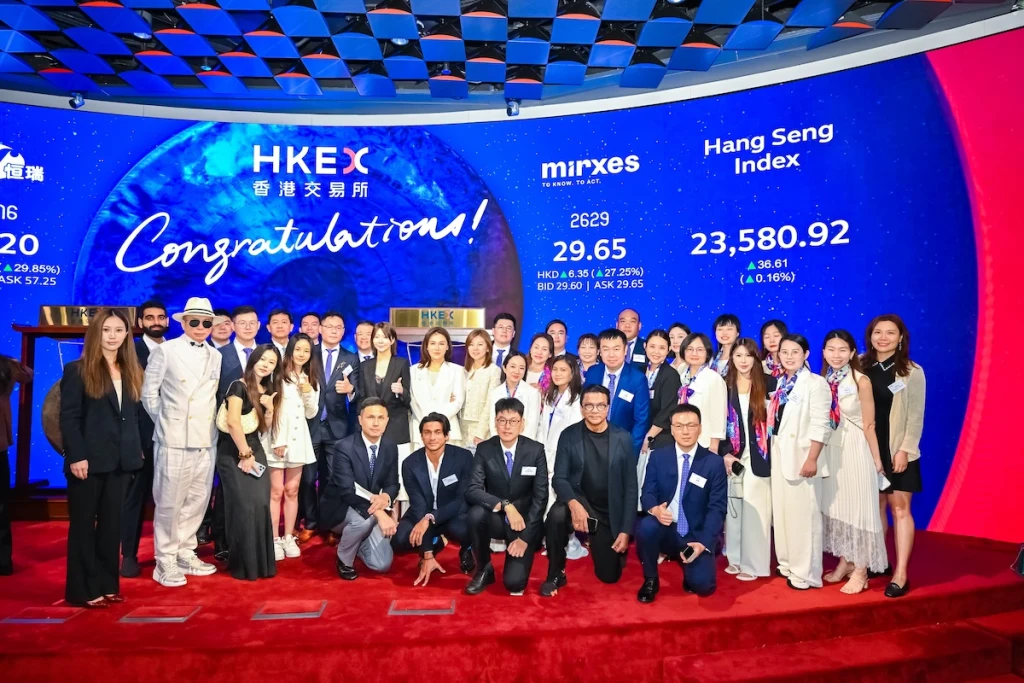
The Mirxes team at its IPO in Hong Kong / Photo credit: Mirxes
While much has contributed to Mirxes’ success, behind these milestones lies a less visible driver – its intellectual property (IP) strategy. Beyond just being a legal safeguard, IP has been a critical enabler for Mirxes when scaling, competing globally, and winning investor confidence.
“IP has always been a very important asset for us,” says Cheng He, senior vice president of technology and AI at Mirxes, who oversees the company’s R&D efforts.
Different approaches
Mirxes was spun out of Singapore’s Agency for Science, Technology, and Research in 2014 by Zhou Lihan and Zou Ruiyang, alongside Too Heng-Phon, a professor at the National University of Singapore. The researchers were focused on studying microRNA (miRNA), molecules that play a role in gene expression.
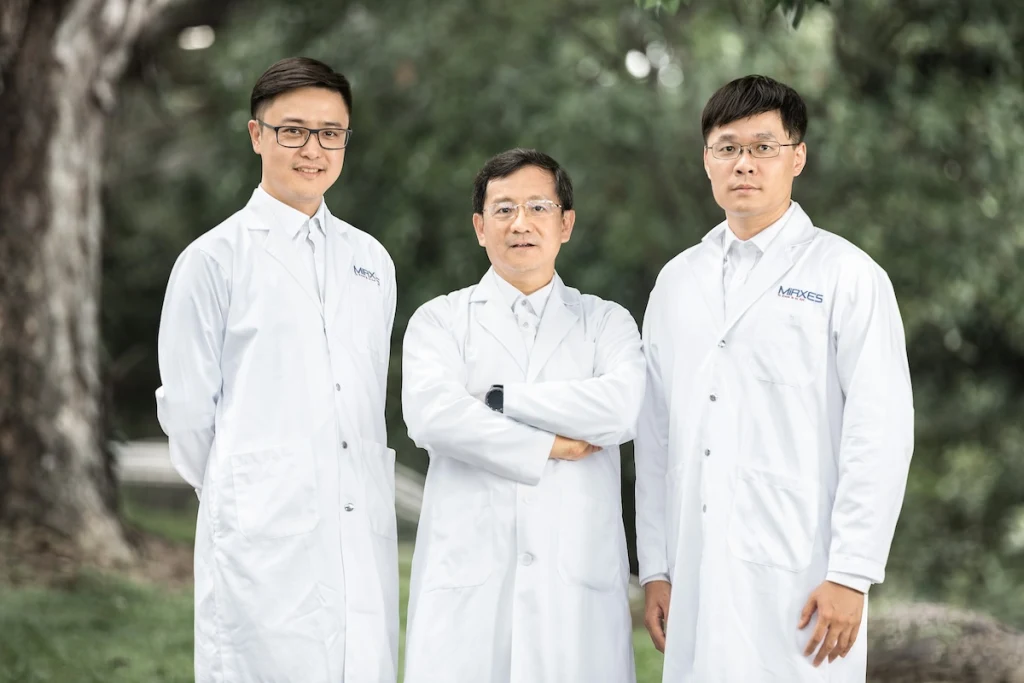
(From left) Zhou Lihan, co-founder and CEO, Too Heng-Phon, co-founder and chairman, and Zou Ruiyang, co-founder and CTO / Photo credit: Mirxes
The company was founded with the aim of using miRNA tech to develop diagnostic tests for cancer. As this tech formed the very foundation of Mirxes’ business, a robust IP strategy was indispensable.
According to Cheng, Mirxes adopted a strategic approach to protecting its innovations, leveraging multiple forms of IP protections.
“For some products, we may focus more on trade secrets, or we’ll file patents. For others, we may take a different approach,” he explains.
Take Mirxes’ GastroClear product, which is the world’s first approved miRNA blood test for the early detection of gastric cancer. Considering the groundbreaking nature of GastroClear, the firm decided to take the longer route to protect its claim over the tech: filing patent families.
A patent family is a collection of patent applications covering the same or similar technical content.
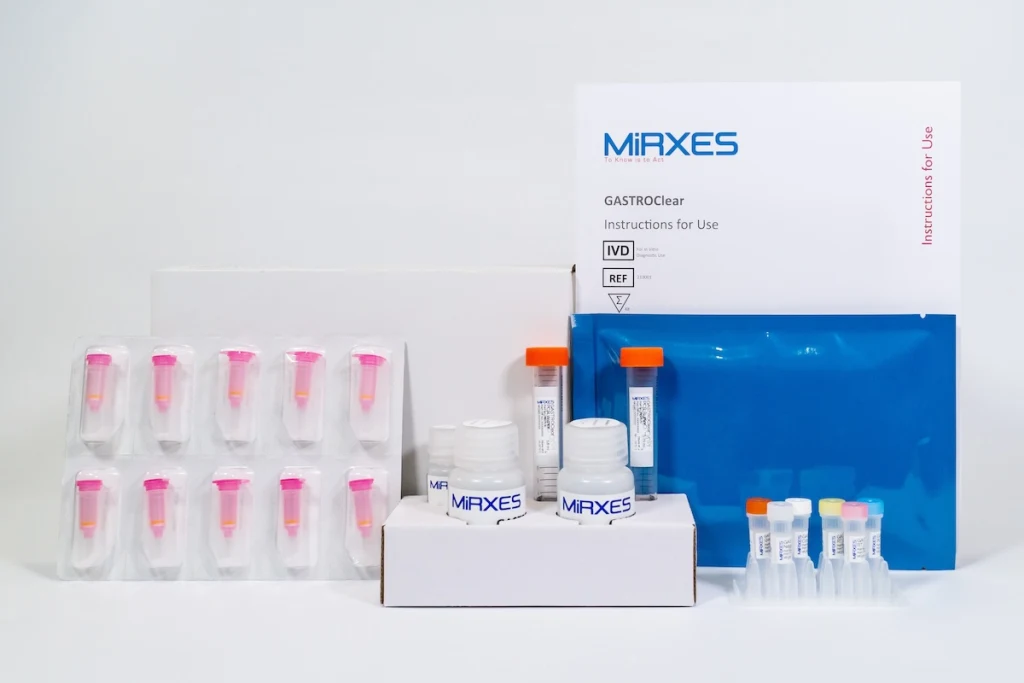
Mirxes’ GastroClear product / Photo credit: Mirxes
Patents can take two to four years to be granted, but they offer the owner exclusive rights to the invention at hand.
This protection positioned Mirxes as an early leader in the fierce race to come up with a diagnostic solution for gastric cancer, raising barriers for future competitors.
However, patents are just one of Mirxes’ tools.
At the height of the Covid-19 pandemic, the company licensed and manufactured Fortitude, Singapore’s first approved polymerase chain reaction (PCR) test for the disease. The test was developed by ASTAR’s Experimental Drug Development Centre and Diagnostics Development Hub, as well as Tan Tock Seng Hospital, and was a critical breakthrough that gave the country a homegrown solution for rapid and reliable testing.
In a fast-moving health crisis, speed mattered more than exclusivity.
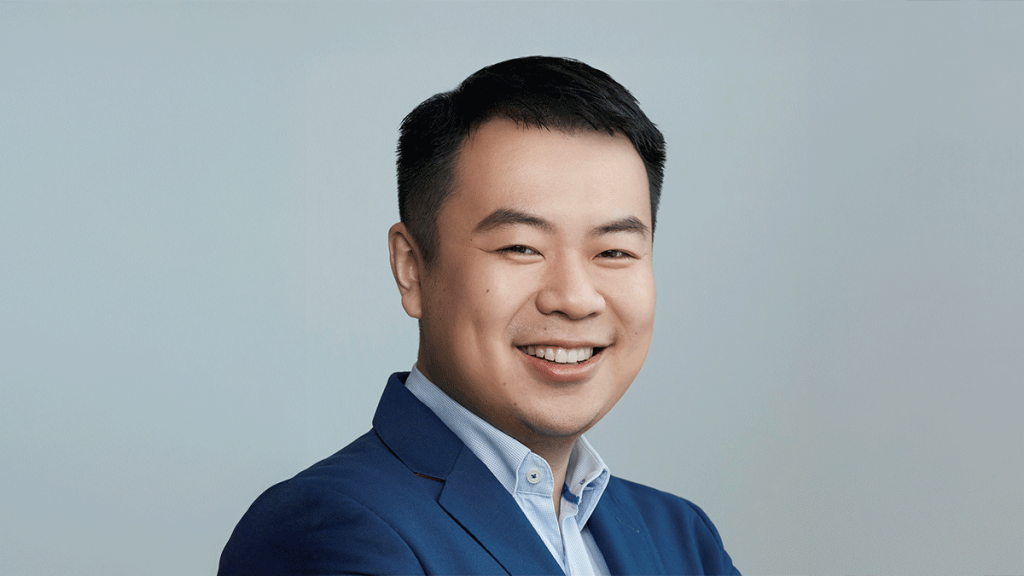
Cheng He, Mirxes’ senior vice president of technology and AI / Photo credit: Mirxes
“[Infectious diseases] come and go very quickly. Before you can even file the patent, it’s gone,” Cheng shares. “For Fortitude, patent protection would be too slow, so we and our partners relied on trademarks and brand equity. A good strategy may be to file priority or publish first, so that others cannot claim priority.”
Trademarks, which can be approved in as little as eight months, offered Mirxes the right balance of protection without slowing momentum. In this case, its IP strategy wasn’t about long-term exclusivity but about credibility, speed, and market recognition.
Navigate your IP journey effectively with IPOS International
Mirxes has also used its IP to unlock other opportunities. One of the first products it launched was its Id3eal suite of miRNA discovery tools.
Instead of keeping its technology in-house, Mirxes made it available to other companies in the biotech and pharmaceutical space. This gave it an income stream while it worked on developing more specific solutions.
“[With a strong IP portfolio], you can license it out and generate income to sustain yourself,” Cheng shares. “This helps biotech companies stay afloat, especially when they are prerevenue.”
Striking a balance
These examples show how Mirxes tailored its IP strategy to fit different contexts. But behind each decision lay a bigger balancing act: protecting innovation without overextending the business.
One of the toughest challenges Mirxes had to navigate was deciding how much IP to file and where. As IP rights are territorial, protection only applies in the country where they are granted. For a company with global ambitions, this meant carefully weighing the benefits of securing patents across multiple markets against the costs of filing and maintaining them.
“How do you pair your commercial activity with your IP portfolio? Having more IP is a valuable asset, but maintaining patents can cost you a lot of money,” Cheng shares. Mirxes had to prioritize different forms of protection depending on the solution at hand, mixing and matching to build a portfolio that was strong but sustainable.
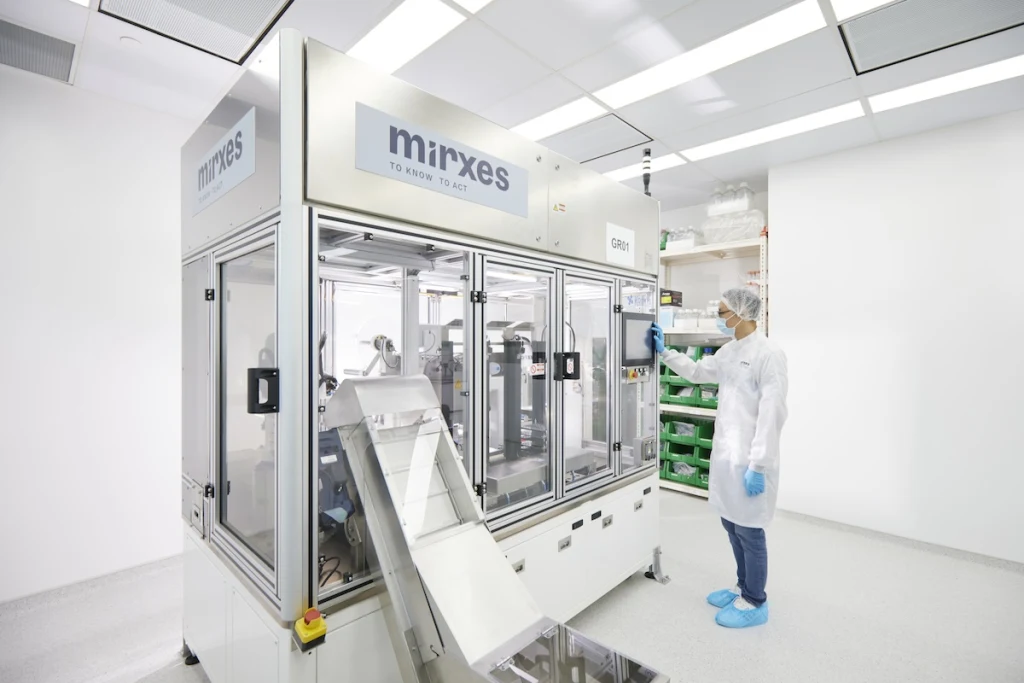
Mirxes’ manufacturing facility in Jurong, Singapore / Photo credit: Mirxes
Mirxes’ overseas expansion efforts made this balancing act even more complex. In setting up subsidiaries in different countries, it had to enact a multilayer approach to protecting its IP.
“You have to have your patents [in those countries], but you also have your trade secrets that are kept in Singapore. You need to do access control and be careful of what information you share outside of the home base,” says Cheng.
This is evident in Mirxes’ manufacturing model. The company has a large facility in China, but the main “ingredient” for its solution is manufactured in Singapore and then shipped to China for downstream processing.
“We basically separate the manufacturing process and keep the ‘recipe’ here in Singapore, that we do not disclose to anyone else,” Cheng shares. “You have to sanitize the process – which complicates it, but it is necessary.”
The intangible value
Mirxes’ IP also served as a powerful intangible asset that shaped how investors, partners, and collaborators perceived the company.
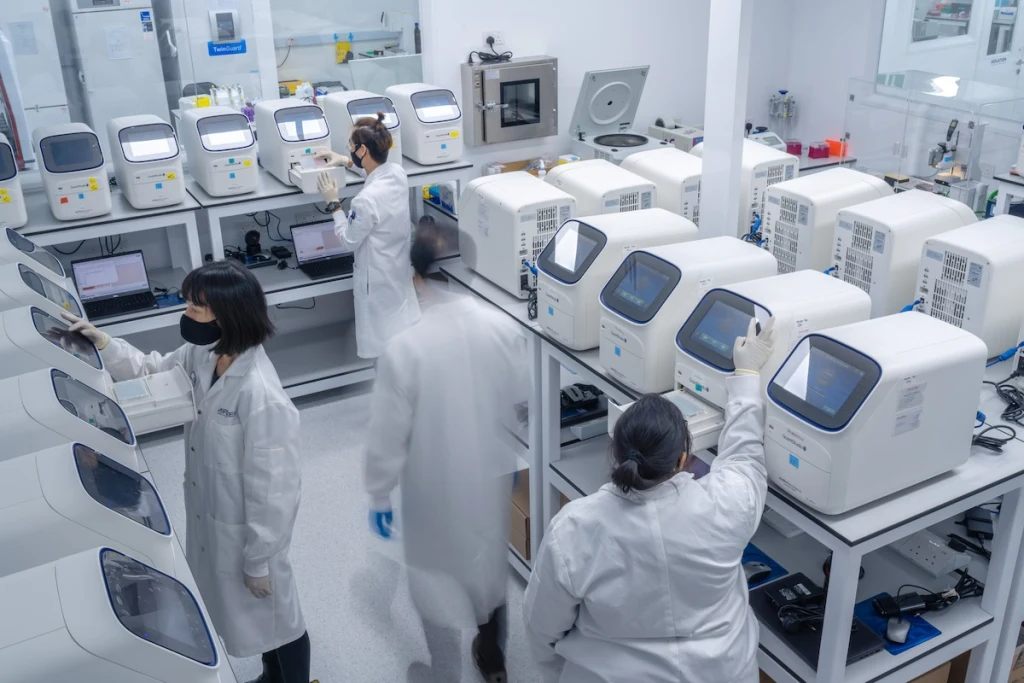
Mirxes’ R&D lab in Biopolis, Singapore / Photo credit: Mirxes
“If a company has been granted patents or other IP protections, that signals that you have novel technology or products – why else would the patent office grant you the patent? It gives investors confidence.”
This confidence is crucial in a field like biotech, where initial setup and R&D costs can be demanding. It also reassures investors that they’re backing something defensible, rather than a technology that could be easily copied.
“Generally speaking, if you look at biotech and related industries, it’s very capital-intensive,” Cheng explains. “So having the right protections in place helps protect that investment.”
This same assurance goes for potential partners and collaborators as well, and this proved pivotal when Mirxes went public. The company closed its first trading day with a market capitalization of over US$1 billion, a milestone that reflected not only its scientific breakthroughs, but also its credibility built on years of careful IP management.
Bearing fruit
Mirxes’ efforts has seen it receive awards for its outstanding use of IP to drive growth such as the IPOS Innovation for Humanity Award in 2020 and the WIPO-IPOS IP For Innovation Award in 2023.
“[These awards] are a validation of our strategy,” says Cheng. “When we talk about our IP strategy with investors or partners, it’s not just talk – there’s external validation.”
Its robust IP strategy will continue to be a vital part of Mirxes’ operations on the road ahead.
“As a biotech company, your R&D, your knowledge, is the most high-value thing you have,” concludes Cheng. “You have to protect it.”
IPOS International empowers enterprises, public agencies, and professionals in unlocking tangible value from their intangible assets and IP. It is a wholly owned subsidiary of the Intellectual Property Office of Singapore. IPOS International is the organizer of the annual WIPO-IPOS IP For Innovation Awards, which recognizes IP champions who have used their intangible assets and IP to scale and expand their business.
Learn more about the IP Awards and stay in the loop by subscribing to IPOS International’s newsletter.
This content was produced by Tech in Asia Studios, which connects brands with Asia’s tech community. Learn more about partnering with Tech in Asia Studios.
Stay updated on the go with our mobile app.
Get latest insights with smoother, more personalized experience through TIA mobile app.
Recommended reads
 SG minister highlights AI adoption pitfalls in SEA
 The crypto label is becoming a liability for winners in the space
 Making carbon emissions data auditable for financial regulators
 This system is tackling Indonesia’s $422m payment fraud
 A Mythos quest? SEA fighting AI threats with obsolete security
 This startup is building legal infra for India’s broken traffic system
 Google denies bribing officials of Indonesia’s Ministry of Education
 ASEAN gets a tailored risk tracking tool
 Anthropic CEO sees AI fuel growth, not employment
 The 99% AI traffic threat (and how business survives)





Editing by Jonathan Chew, Winston Zhang, and Jaclyn Tiu
(And yes, we’re serious about ethics and transparency. More information here.)



📅 Upcoming Events
22 October 2026
Payoneer x CSPN Summit 2026