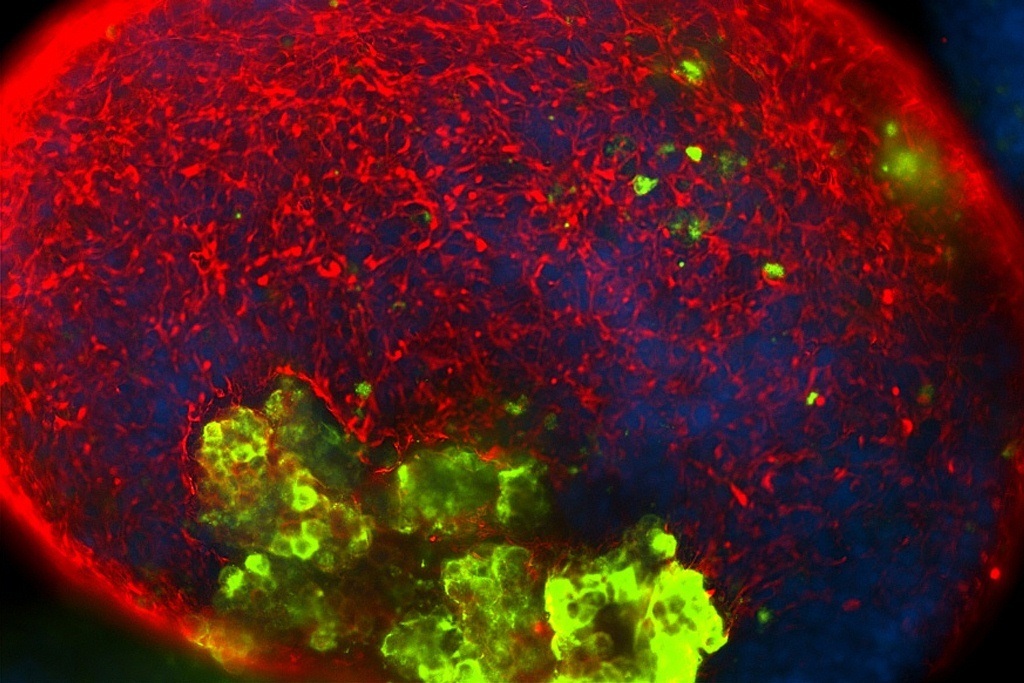
“Science has presented us with a hope called stem cell research, which may provide our scientists with answers that have so long been beyond our grasp. I just don’t see how we can turn our backs on this. There are just so many diseases that can be cured, or at least helped. We have lost so much time already, and I just really can’t bear to lose any more.”
These are the words of former First Lady of the United States of America Nancy Reagan. She has been a prominent voice in supporting stem cell research in America. And now, an Indian startup called Advancells is using stem cell therapy to treat various medical conditions.
Stem cells are undifferentiated or unspecialized cells that can renew themselves through division and have the power to change into any specialized cells in the body. They are mainly classified into two types – the embryonic stem cells and the somatic or adult stem cells. Embryonic stem cells are present in the inner cell mass (ICM) of a blastocyst (an early phase in mammalian embryonic development). These cells give rise to the entire body of the organism by continually dividing and redividing; becoming all the tissues and organs like heart, lungs, skin, and brain. Therefore, they are rightfully called the precursors of life.
Adult stem cells are present in adult tissues and organs such as brain, bone marrow, peripheral blood, blood vessels, skeletal muscle, umbilical cord, and even fatty tissues. They act as the repair system of the body by replenishing dying cells, and regenerating damaged tissues.
The use of stem cells for treatment purposes, or stem cell therapy, has been under a lot of heat, even from the scientific community. But some scientists also believe there’s immense scope in stem cell therapy and that it may lead to the cure of many diseases like diabetes, heart diseases, Parkinson’s and Alzheimer’s.
Imagine replacing an atrophied lung of a patient with a newly developed fully-functional lung, generated in a lab from a single stem cell derived from the patient themselves. That would eliminate any chance of the organ being rejected by the patient’s body. Such is the power of stem cell technology, if harnessed well.
The tiny healers
Advancells, based in Noida, Uttar Pradesh, was founded in 2013 by Vipul Jain. He is an entrepreneur with an MBA degree from Rochester Institute of Technology, New York. After trying his hand at fabric import and animation, Jain entered the medical tourism space by co-founding PlanetHospital in California, USA. He later exited the company and started his own medical tourism firm called Mirage Medserv, which focuses on patients in Russia, Africa, and the Middle East. Advancells in his latest venture.
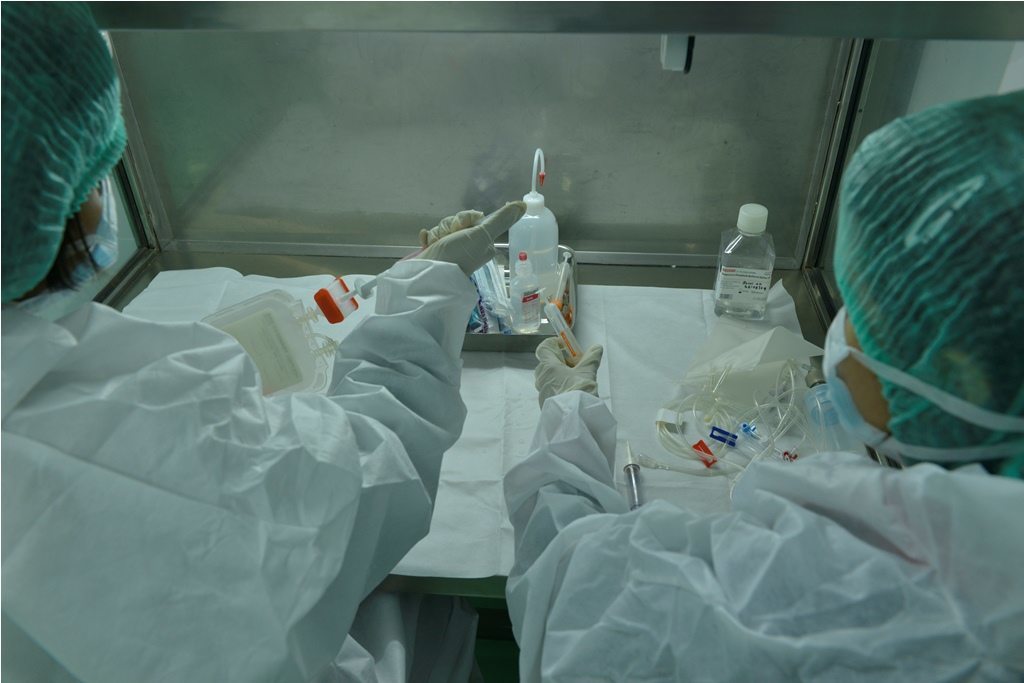
Advancells focuses on providing treatment for many diseases like Amyotrophic lateral sclerosis (ALS), autism, diabetes, cerebral palsy, multiple sclerosis, Alzheimer’s, and ophthalmological disorders. It even carries out certain cosmetic procedures. It extracts the stem cells from the patient’s bone marrow and adipose tissues, which is then processed in its laboratory for treatment purposes. On proper assessment of a case, the patient is made aware of the protocol, risks, and rewards of the therapy. Once the stem cells are extracted and processed, the startup arranges for a consultation with a doctor, who carries out the procedure in a partner hospital. Post-treatment procedures are carried out by the Advancells’ team.
Ethics, morality, culture, and regulations
There is a lot of controversy surrounding embryonic stem cell research. Isolating the inner cell mass for embryonic stem cell research leads to the destruction of the blastocyst (early-stage embryo). This raises a lot of moral and legal concerns. The possibility of human cloning also has also raised many controversies and struck fear in the heart of people. Ethical concerns have led to the ban of reproductive cloning in a number of countries, including India. Therapeutic cloning – which can be used to produce embryonic stem cells – is not banned.
Jain believes that the biggest concern is the lack of proper regulatory framework and ethical norms while governing stem cell usage. “This results in a lot of unethical and unregulated practices in the field, subsequently leading to misconceptions about stem cells as a subject. It can also prove harmful for patients.”
“The stem cell guidelines in India, jointly prepared by the Department of Biotechnology (DBT) and the Indian Council of Medical Research (ICMR), was recently revised. It states that stem cells cannot be offered to patients as a therapy. Instead, they can be used in clinical trials but only after receiving an approval from the Drugs Controller General of India (DCGI),” he adds.
The way ahead





Stay updated on the go with our mobile app.
Get latest insights with smoother, more personalized experience through TIA mobile app.