Grace Priscilla Teo · · 5 min read
How Precursor Ventures uses pre-seed to bet before market fit
This article summarizes an episode of The Peel’s video series featuring Charles Hudson, managing partner of Precursor Ventures.
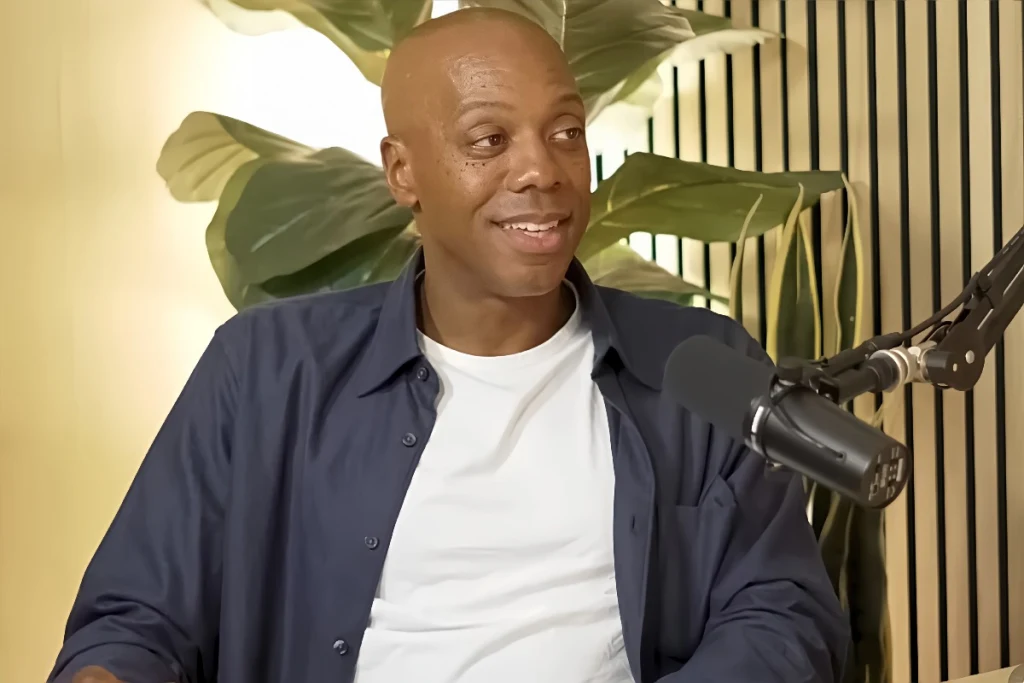
Charles Hudson, managing partner of Precursor Ventures/ Photo credit: The Peel with Turner Novak
In venture capital, avoiding the hype can also come with a cost. Charles Hudson, founder and managing partner of Precursor Ventures, argues that seed investing now depends not only on discipline, but also on access, momentum, and hot markets.
This disadvantages smaller funds, which must compete with large firms that can treat early checks as the start of a much bigger relationship.
Big funds use seed checks to buy access
Small seed funds need their first check to produce strong returns. Large firms use seed deals to get close to young companies before later rounds become competitive.
Seed has become part of what large funds offer to founders and their own investors. “If we’re really going to be a multi-stage VC fund, we cannot allow someone else to do seed for us,” Hudson argues. “We have to have our own product in the market. There’s an [assets under management] opportunity here, but there’s also a pipeline opportunity.”
This changes the competition. A large fund may value the relationship and information that come with a seed deal. A seed specialist needs the investment itself to produce enough ownership and upside to matter.
Those different goals lead to different prices, different ownership expectations, and different willingness to pay more for promising companies.
Seed funds compete with other firms’ side bets
A seed specialist needs to invest at a reasonable price and own a meaningful stake. A large fund can accept less ownership if the early check helps it stay close to the best companies. The same deal can be good for one fund and bad for another.
“Seed funds are running a model that is ownership, entry-price, and check-size-dependent. Multi-stage seed is a way to get access to companies so [larger firms] can put large amounts of capital into them in the future,” Hudson says.
When repeat founders with strong demand get higher prices from large firms, smaller seed managers need to look elsewhere, choose more carefully, or build portfolios that do not depend on winning the same deals.
Small funds can invest in companies that large funds ignore, but those companies still need later funding. If later-stage investors are not interested, the portfolio can still struggle.
Limited partners reward heat before results
Limited partners often reward funds that appear exciting before there are real cash returns. A fund with stakes in popular AI companies can look like it has access, good judgment, and market relevance, even if nobody yet knows whether those investments will return cash.
Hudson says, “If you’re in a bunch of the really hot AI companies and the ecosystem thinks [you’re] the person who sees the best hot AI [opportunities], you will have a relatively straightforward time raising capital. If you’re pursuing some other strategy, you’ll have a harder time.”
Avoiding a bubble can hurt a fund
Precursor looks before the market has a score





Stay updated on the go with our mobile app.
Get latest insights with smoother, more personalized experience through TIA mobile app.