- Premium Content It takes our newsroom weeks - if not months - to investigate and produce stories for our premium content. You can’t find them anywhere else.
 Glenn Kaonang · · 5 min read
EWA startups at a crossroads as scaling gets brutal
Southeast Asia’s fintech ecosystem just logged its first exit in the earned-wage access (EWA) sector. Last month, BNPL giant Kredivo announced its acquisition of Indonesia-based GajiGesa in a deal valued at about US$12 million.
GajiGesa had more than a year of runway but took an exit at roughly a third of its last estimated valuation, Tech in Asia previously reported.
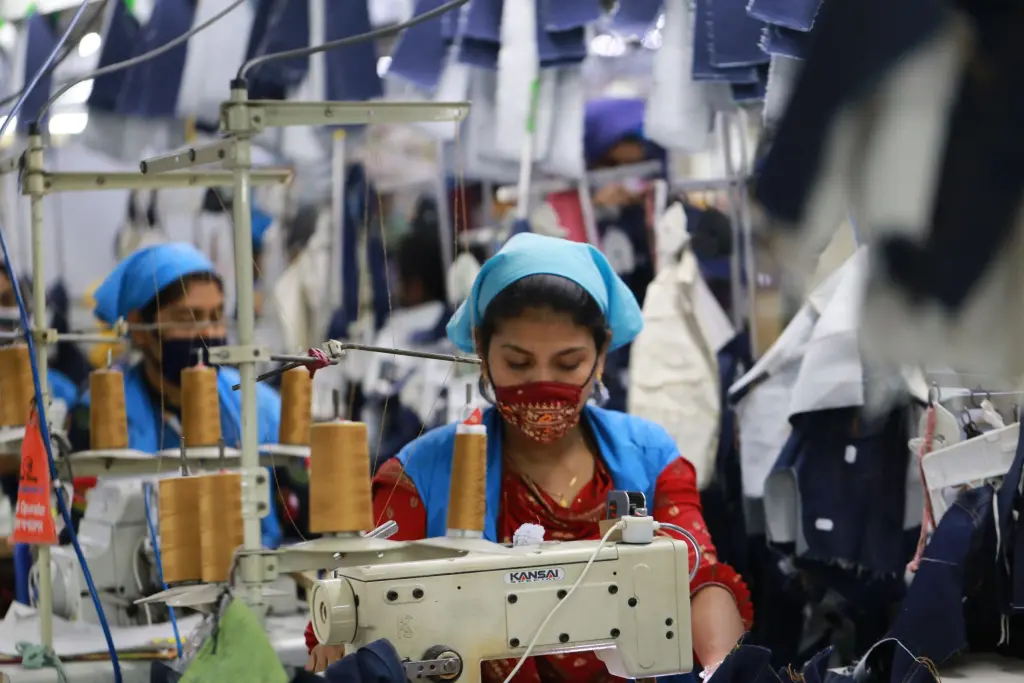
Factory workers in Bangladesh / Photo credit: Rehman Asad / Shutterstock
Still, industry players see this a win, as it proves that EWA has become a strong-enough niche to draw interest from major fintech firms.
However, for other EWA players in the region, the real test is building a sustainable business rather than defaulting to consolidation.
Slow and costly
EWA startups emerged in Southeast Asia around 2020 as the pandemic drove workers to seek alternatives to high-interest loans. The model lets employees access part of their salary before payday, with startups making money through transaction fees or employer partnerships.
Five years since the start of the pandemic, GajiGesa isn’t alone. According to sources Tech in Asia has spoken with, several EWA peers are reportedly eyeing M&A, though we haven’t been able to verify these claims.
The trend stems from the lengthy and expensive process of onboarding businesses, integrating with their payroll systems, and persuading employees to use EWA services.
In 2023, Indonesia-based Wagely served around 500,000 workers across Indonesia and Bangladesh. That number has since grown to about 900,000, according to its co-founder and CEO Kevin Hausburg.
Wagely has raised US$36.9 million in funding to date. The startup didn’t reveal its customer acquisition costs, but adding 400,000 employees to its customer base wouldn’t have come cheap.

Wagely co-founders (from left): Tobias Fischer, Sasanadi Ruka, Kevin Hausburg / Photo credit: Wagely
Disbursing salaries early to workers is also expensive. Paywatch, which operates in Malaysia, Indonesia, South Korea, Hong Kong, and the Philippines, said last year that it disbursed around US$8 million in salaries every month.
Yet, according to its latest regulatory filings in Singapore, the company only began generating revenue in 2023 – three years after its founding in 2020. It brought in just over US$230,000 while recording a net loss of more than US$6 million, up from US$4.5 million in 2022.
M&A = a pathway to growth?
Going the lending route
Stay ahead in Asia’s tech landscape
This is premium content. Subscribe to read the full story.
More M&A deals like Kredivo-GajiGesa may be coming, but EWA startups will need new strategies to stay afloat.
We know this is not ideal. ⌛ Sign up in 20 seconds. Cancel anytime.
Our subscriber community includes professionals from these companies:





Stay updated on the go with our mobile app.
Get latest insights with smoother, more personalized experience through TIA mobile app.