- Insights This article was written by a TIA community member. Insights pieces undergo the same rigorous editorial process that newsroom-produced articles have.
 Sega Cheng · · 5 min read
AI broke influencer trust in Asia – here’s why more AI can fix it
Brands in Asia are doubling down on influencer marketing in 2026. It’s effective because influencer content feels more real and relatable to consumers than most marketing initiatives.
The currency of creators is their authenticity, especially in Asia, where the influencer marketing segment is worth US$27 billion. Recent Nielsen research found that 80% of social media users in Asia who follow influencers are more likely to purchase products they recommend.
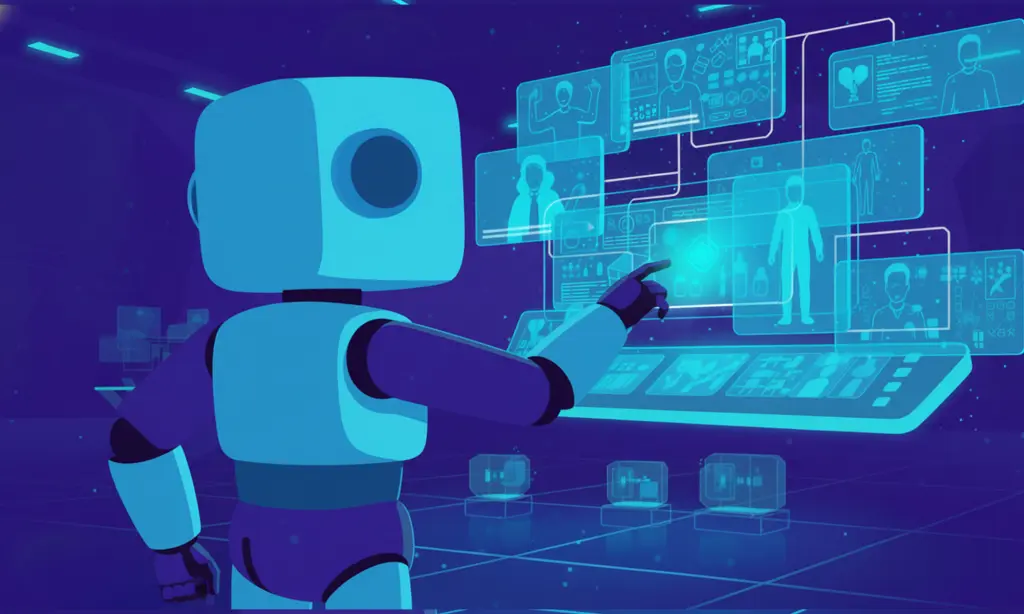
Made by Arsal Ysfin/Tech in Asia with the help of AI
Language learning app Speak used this dynamic in Taiwan by turning Olympic gold medalist Lee Yang into a self-deprecating “worst English speaker” ambassador, tapping a shared cultural anxiety around learning a new language.
Influencer marketing works when brands partner with creators who authentically represent what the brand stands for and when audiences feel connected with the influencer. According to a recent study by Omnicom Media, 67% of Gen Z trust influencers over publications or institutions.
However, brands and decision-makers face a dilemma: while the influencer marketing is booming, trust in influencers is declining.
The major culprit? AI.
Adam Mosseri, head of Instagram, recently shared a manifesto outlining the threat AI poses to the creator economy. “Everything that made creators matter – the ability to be real, to connect, to have a voice that couldn’t be faked – is now suddenly accessible to anyone with the right tools,” the post says.
See also: AI video surged in 2025. Is a 2026 shakeout ahead?
As he puts it, AI is making authenticity a scarce resource. Social feeds are increasingly flooded with AI-generated images, videos, and voices that are becoming difficult to distinguish from reality.
As a result, trust in influencer content is eroding. But ironically, the solution for brands seeking to preserve authenticity in an AI-addled world is more AI.
Keeping it real
Used correctly, AI can help real voices stand out from fakes and enable brands to run more effective and authentic campaigns. Here are a few examples of how AI can improve brands’ influencer marketing efforts.
Fighting fake engagement
Studies suggest that as much as 55% of influencer engagement on Instagram is fake, driven by bots, purchased followers, and coordinated engagement pods.
Augmented authenticity





Stay updated on the go with our mobile app.
Get latest insights with smoother, more personalized experience through TIA mobile app.