This article summarizes an episode of a16z’s video series featuring its partners Marc Andreessen, Ben Horowitz, and Margit Wennmachers.
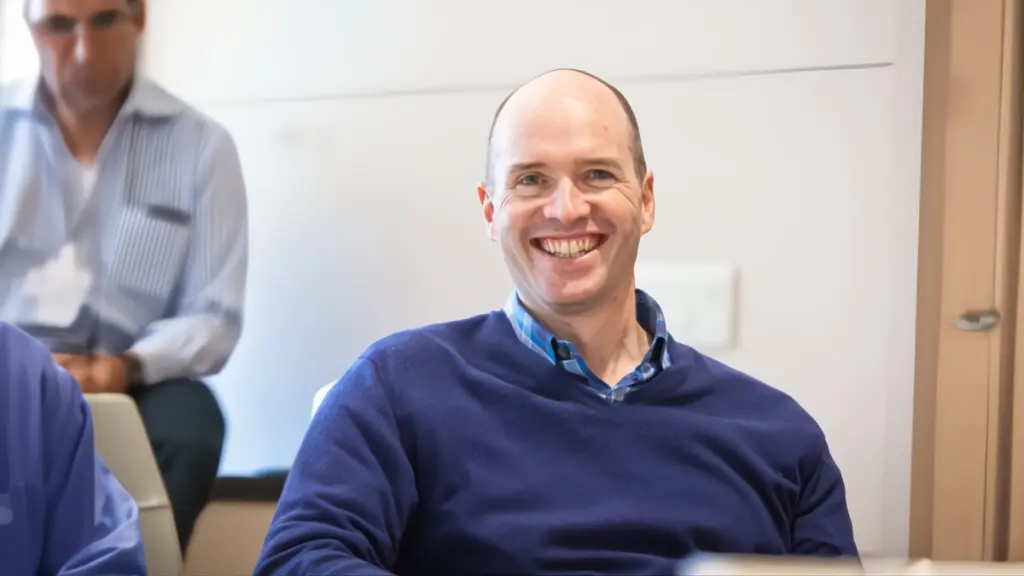
Ben Horowitz, cofounder and general partner at Andreessen Horowitz.
Marc Andreessen, Ben Horowitz, and Margit Wennmachers from Andreessen Horowitz (a16z) reveal how they dismantled venture capital’s culture of secrecy. They explore the death of the “scripted message” and argue that in a world of automated content, a founder’s ability to be distinct and human is their greatest asset.
A comfortable club
When they started the business, the industry was a closed club where deals happened quietly. Venture capitals thought their reputation was enough to make new companies come to them.
Waiting for deals to arrive
Andreessen recalls a competitor’s analogy, “Venture is like going to a sushi boat restaurant. You just sit at the counter and the startups just come drifting by, and whenever you want, you just reach out and pluck a piece of sushi.”
Keeping investors in the dark
The firm applied this distance to their own investors, known as limited partners (LPs). They felt constant communication was unnecessary and preferred to keep their backers largely uninformed.
Andreessen shares another VC’s advice, “The key is, you want to treat the LPs like mushrooms. You put them in a cardboard box under your bed for two years, and you don’t take the box out until the next time you need to raise money.”
Secrecy as a business plan
This secrecy was intentional. It protected the established firms by making them look like experts who no one dared to question.
Wennmachers explains, “If you think of it as a sushi situation or a mushroom situation, why would you ever do marketing? A black box cartel, some mystique, [and] some mystical fairy creature are way better.”
Marketing as a weapon
This complacency created an opening. Andreessen Horowitz used openness to turn the industry’s secrecy against itself.
Speaking to a new audience
The firm stopped courting investors. Instead, they focused entirely on the entrepreneurs seeking funding.
Wennmachers states, “The thing that we all decided is we’re just going to aim all of our communications at the entrepreneurs versus the LPs. It all needs to be very entrepreneur-friendly.”
The cover story that broke the rules
When Ben Horowitz appeared on the cover of Fortune magazine, other firms saw it as a serious violation of their unwritten rules.
“They hated that cover story,” Horowitz says of the reaction. “They went bananas. They called every LP. They’re like, ‘These guys, they’re egomaniacs. Look at him on the cover of the magazine. That’s not supposed to be him [on the cover].’”
Every company needs a personality
The death of the scripted message





Stay updated on the go with our mobile app.
Get latest insights with smoother, more personalized experience through TIA mobile app.